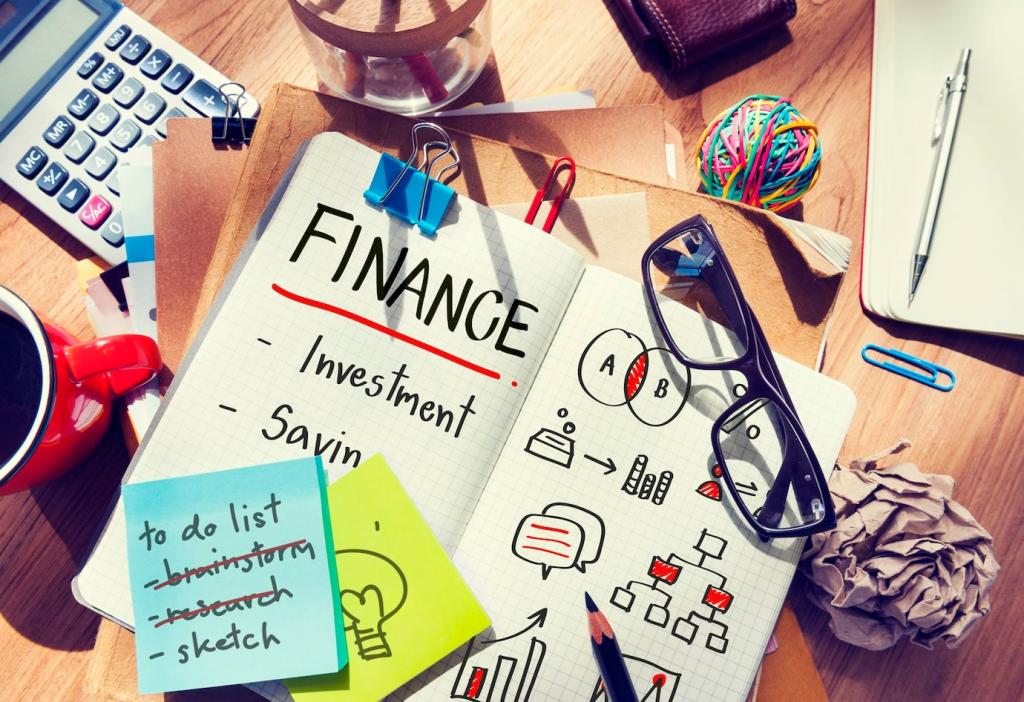

Understanding Fixed and Variable Expenses: Your Everyday Money Map

Chosen theme: Understanding Fixed and Variable Expenses. Welcome! Today we demystify the two types of costs that quietly steer your budget, reduce stress, and create space for goals. Stay curious, ask questions, and subscribe for weekly, practical money insights.

What Fixed Expenses Really Mean

Consistent Costs You Can Count On

Fixed expenses are the recurring bills that rarely change month to month, like rent, insurance, or a transit pass. List them first to establish your baseline and prevent surprises from derailing the rest of your money plan.

How to Stress-Test Your Fixed Bills

Imagine losing a freelance client or facing a short paycheck. Could you still cover your fixed expenses without panic? Run a simple stress test by modeling lean months, then adjust contracts, savings buffers, or due dates to strengthen stability.

When a Fixed Expense Is Not Quite Fixed

Some fixed expenses hide small fluctuations, like utilities with minimum charges but seasonal swings. Classify them as fixed with variability notes, or split into a fixed base plus a variable cushion to keep your budget honest and realistic.

Variable Expenses: The Moving Pieces of Life

Groceries, fuel, outings, and gifts can feel random, yet trends appear across weeks and seasons. Track for a month, then group by category. You will notice ranges that help you set caps without feeling deprived or overly restricted.

Variable Expenses: The Moving Pieces of Life

Holidays, school terms, weddings, and travel routinely lift variable spending. Look back at last year’s calendar and note spikes. Create a mini sinking fund so those predictable surges stop feeling like emergencies or last-minute credit card traps.

Variable Expenses: The Moving Pieces of Life

A few lunches out, a rideshare habit, or weekend upgrades can swing variable totals dramatically. Choose one lever to adjust each week, like cooking twice more, and watch the monthly outcome shift without forcing an all-or-nothing mindset.


Building a Budget Around Fixed and Variable Expenses

Sum your fixed expenses to set a monthly baseline. Then assign a flexible band for variable categories using your historical average. This combination creates structure without rigidity, and makes it easier to adapt when opportunities or challenges arrive.

This is the heading

Lorem ipsum dolor sit amet, consectetur adipiscing elit. Ut elit tellus, luctus nec ullamcorper mattis, pulvinar dapibus leo.

This is the heading

Lorem ipsum dolor sit amet, consectetur adipiscing elit. Ut elit tellus, luctus nec ullamcorper mattis, pulvinar dapibus leo.

Three-Color Tagging

Mark fixed expenses in one color, predictable variable in another, and volatile variable in a third. Whether you use a spreadsheet or an app, the instant visual cues speed decisions and spark productive conversations with partners or family members.

Envelope and Cap Hybrid

Create envelopes or digital caps for variable categories while leaving fixed bills automated. The hybrid keeps day-to-day spending grounded, yet removes friction for essentials. Refill envelopes weekly to avoid end-of-month scrambles and emotional overspending.

Alerts That Work With Your Brain

Set gentle alerts near your variable caps and calendar nudges before fixed due dates. Keep notifications purposeful and scarce. The goal is awareness, not alarm fatigue, so you stay consistent without feeling micromanaged by your phone.

Decisions Powered by Expense Types

Call providers annually to negotiate internet, insurance, or streaming bundles. A ten-minute call can lower your fixed baseline for years. If negotiation fails, consider service tiers or competitive quotes to reclaim control of your monthly commitments.

Decisions Powered by Expense Types

Before upgrading a fixed subscription or making a variable purchase, estimate cost per use. If a gym membership is weekly, the value may justify being fixed. If usage is rare, choose pay-per-use or pause until your habits match the cost.
Povviral
Privacy Overview

This website uses cookies so that we can provide you with the best user experience possible. Cookie information is stored in your browser and performs functions such as recognising you when you return to our website and helping our team to understand which sections of the website you find most interesting and useful.